Electric Heart: A Boutique Sweatshirt Embroidery Review
As an embroidery designer who’s developed over 200+ commercial-ready machine embroidery designs for small apparel brands, I recently evaluated Electric Heart for a limited Valentine’s Day sweatshirt drop—neutral-toned, heavyweight French terry, oversized silhouettes, and intentional handmade presentation. This wasn’t just file testing; it was brand alignment assessment. Here’s my unfiltered, production-grounded review.
First Impression: Bold Simplicity with Emotional Voltage
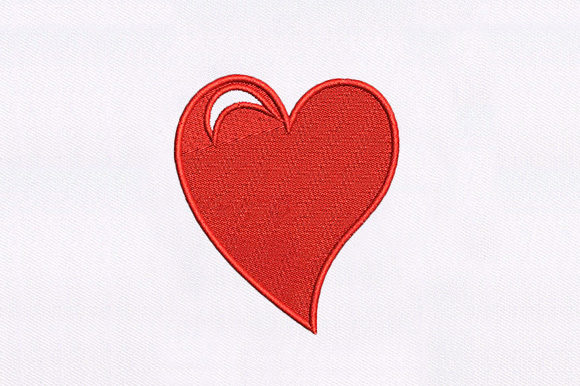
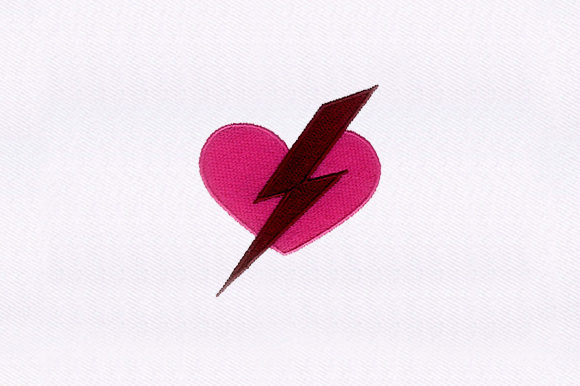
The name Electric Heart sets the tone before you even open the file—and the design delivers. At 3.17″ × 3.82″ in a 4×4 hoop, it occupies that sweet spot: large enough to read clearly on chest placement, compact enough to avoid overwhelming cozy fabric texture. Visually, it reads as a stylized heart with subtle voltage lines or radiating energy—not literal lightning bolts, but fine, rhythmic stitch vectors that imply motion and warmth. The 10,978-stitch count suggests thoughtful density: not sparse enough to look unfinished, not heavy enough to stiffen lightweight fleece. It feels premium-casual: feminine without frills, playful without kitsch, modern without cold minimalism.
How Electric Heart Performs Across Real Sweatshirt Contexts
Neutral sweatshirts (heather grey, oat, charcoal): This is where Electric Heart shines brightest. On mid-tone fabric, the stitch definition pops without needing high-contrast thread—especially with matte rayon or premium polyester threads. The layout balances negative space and fill beautifully, letting the fabric breathe around the shape.
Dark fabrics (navy, black, deep burgundy): Requires careful thread selection. A bright rose gold or soft copper metallic works exceptionally well for the heart core, while charcoal-grey or deep plum for the “electric” vectors maintains legibility without glare. Avoid white-on-black unless using high-sheen thread—it can read too stark for boutique branding.
Pastel hoodies (dusty rose, sage, sky blue): Lean into tonal embroidery. Use a slightly deeper shade of the base color for subtle dimension—e.g., dusty rose thread on dusty rose fabric. The design’s clean outline holds up gracefully, avoiding the washed-out effect some delicate motifs suffer from.
Oversized hoodies & seasonal layers: Placed center-chest at 3.5″ height, Electric Heart anchors the silhouette without competing with volume. It also scales elegantly as a sleeve accent (rotate 90°, reduce to ~2.5″ height) or back yoke detail—ideal for lifestyle product photography where composition matters as much as craft.
Practical Designer Considerations for Commercial Use
Hoop size & placement: The 4×4 footprint is ideal for chest embroidery on adult small–large sweatshirts. No re-hooping needed for standard placements. For youth sizes or cropped styles, verify clearance—some digitizers build tight margins, but this file appears optimized for efficient hooping.
Stabilizer & fabric thickness: For heavyweight French terry or brushed cotton blends, a medium-weight cutaway stabilizer provides clean backing without bulk. With lighter fleece, switch to tear-away + light topping—this design’s stitch density (10,978 stitches in under 4″) won’t overwhelm delicate weaves, but always test on your exact fabric batch.
Thread color contrast & readability: The heart’s central shape has strong contour definition, making it highly readable even at smaller sizes. That said, avoid ultra-fine script-like fills—Electric Heart uses smooth satin and dense tatami fills, so legibility holds across lighting conditions and customer photos.
Washing durability: With balanced underlay and moderate density, this is built for repeated laundering. No floating elements or fragile jump stitches visible in the spec sheet—critical for small shop owners who can’t afford post-purchase stitch loss complaints.
Brand Impact: More Than Just a Design Asset
For Etsy sellers and boutique brands, Electric Heart isn’t just a machine embroidery design—it’s a brand amplifier. Its confident simplicity signals intentionality. When styled in cohesive product photography (think soft natural light, folded sleeves, textured backgrounds), it reads as elevated handmade—not mass-produced clip art. Customers scrolling through digital listings instantly recognize visual consistency: same heart motif across sweatshirts, tote bags, and matching beanies. That builds trust faster than any description.
It also supports storytelling. Pair it with copy like “Charged with care, stitched by hand” or “Love that doesn’t fade”—and suddenly your small shop product carries emotional resonance. That’s how a single embroidery file becomes part of your brand identity, not just decoration.
Where Electric Heart Fits in Your Creative Workflow
This is a versatile digital embroidery file—not a one-season novelty. While its title nods to Valentine S Day, the aesthetic transcends the holiday. Use it year-round in muted palettes for spring launches, earthy tones for autumn collections, or monochrome combos for gender-neutral gifting lines. It adapts seamlessly to printable mockups, social media banners, and packaging inserts—making it a true multi-use design asset.
For embroidery shops offering custom apparel services, Electric Heart is client-friendly: fast to sew (under 12 minutes on most commercial machines), low-risk for thread breaks, and universally appealing. No complex color changes or tiny details that frustrate beginners—just clean execution and instant charm.
Final Verdict for Small Business Creators
Electric Heart earns its place in a professional boutique brand’s embroidery library. It bridges commercial practicality and creative authenticity—precisely what handmade product makers need when balancing scalability with soul. It feels intentional, durable, and quietly distinctive. Not flashy—but memorable. Not trendy—but timeless enough for repeat seasons.
Before production: Double-check your specific thread colors against fabric swatches, confirm stabilizer pairing with your machine’s tension settings, and always run a test sew on scrap fabric identical to your final garment. And remember—while specs list hoop size, stitch count, and file formats (10O, ART, CND, DSB, DST, DSZ, EXP, HUS, JEF), actual performance depends on your workflow. Trust your eyes, your machine, and your customer’s expectations—not just the numbers.
If you’re curating a collection where every stitch reflects care, Electric Heart isn’t just a design choice—it’s a quiet statement of values.