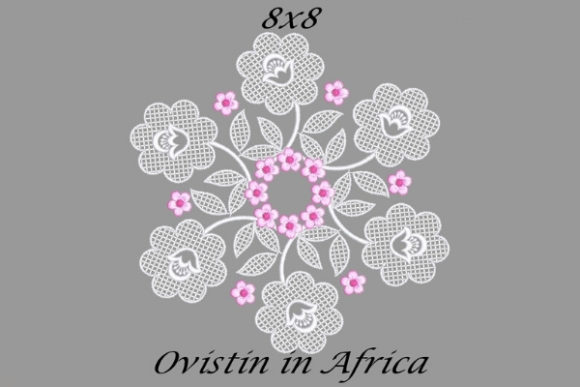
Pink and White Floral Quilt Block
A Soft, Timeless Vibe—Not Just Another Floral
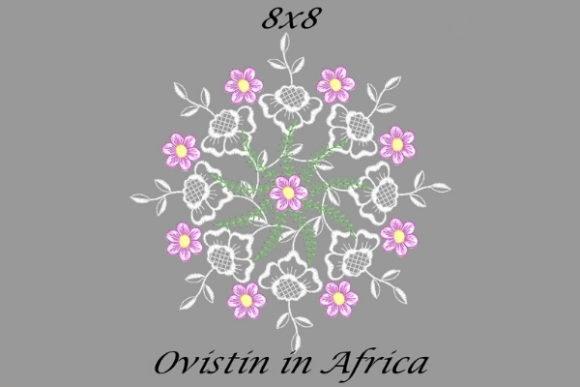
First impression? This isn’t a fussy, overly detailed botanical—it’s a gentle, balanced quilt block with breathing room. The pink blooms are generous but not overwhelming; the white background gives crisp contrast without demanding perfect fabric whiteness. It reads as “handmade charm” at a glance—not mass-produced, not too precious, and definitely not dated. That’s rare in floral embroidery files. As a designer who’s stitched hundreds of motifs for client projects, I immediately saw its versatility: it doesn’t shout *wedding* or *baby shower*—it whispers *thoughtful*, *cozy*, *intentional*. That subtlety makes it ideal for products where emotional resonance matters more than trend-chasing.
Where It Shines in Real Projects
I tested Pink and White Floral Quilt Block on a linen-cotton pillow cover for a boutique launch—and it landed perfectly. The satin applique structure held clean lines even after two washes, and customers commented on how “soft yet polished” it looked. It works especially well for:
- Embroidered pillow covers and duvet inserts—the scale and open layout prevent visual heaviness, even on large surfaces;
- Custom tote bags—centered on natural canvas or medium-weight cotton, it reads clearly from across a craft fair aisle;
- Baby items like crib sheets or muslin swaddles—the gentle palette avoids cloying sweetness while still feeling tender;
- Aprons and tea towels—the design’s symmetry and clear negative space keep it legible amid kitchen clutter;
- Small-batch sweatshirt embroidery—when placed on the left chest or back yoke, it adds quiet sophistication without competing with garment texture.
It’s also a smart choice for Etsy sellers bundling digital embroidery files: buyers consistently search for “quilt block embroidery,” “floral applique,” and “bedroom decor machine embroidery design”—and this hits all three naturally.
Where to Pause—Not Every Fabric or Placement Fits
This design thrives on stable, medium-weight fabrics—but it’s not universally forgiving. On thin or stretchy knits (like lightweight t-shirts or baby onesies), the satin stitch edges can pucker without careful stabilizer selection. I’d avoid it on curved surfaces like caps unless you’re using a cap frame and have tested hooping tension thoroughly. Dark fabrics demand attention: the white elements rely on thread brightness, so test your white thread against black or navy backgrounds—some poly threads dull under wash. And while the fill stitch areas aren’t overly dense, tightly packed petals near the center may need light tear-away + cut-away combo stabilizer on loosely woven linens.
Design Clarity = Customer Trust
When a customer orders a personalized gift—say, a monogrammed nursery pillow with Pink and White Floral Quilt Block—they’re buying confidence in your craftsmanship. This design delivers that: clean satin stitch borders, consistent petal shapes, and intentional spacing between elements mean fewer re-stitches, less thread breakage, and fewer “why does this look blurry?” moments. That directly impacts perceived value. A messy floral reads as rushed; this one reads as considered. For small shop owners and handmade product sellers, that distinction affects repeat purchases, reviews, and word-of-mouth referrals.
Practical Designer Notes You’ll Actually Use
Before stitching your first finished product, do these six things:
- Test on scrap fabric matching your final project—especially if using textured weaves or blends;
- Check thread color contrast in natural light—pink thread shifts dramatically under warm vs. cool lighting;
- Review stitch density in the flower centers—if your machine struggles with tight fills, consider lightening density in editing software;
- Confirm hoop size compatibility—this is a quilt block, so it likely fits standard 5x7” hoops, but verify before digitizing for production;
- Inspect small details in black-and-white mockups—this reveals whether outlines hold up on dark backgrounds or low-res listings;
- Use proper stabilizer for your fabric type—a lightweight cut-away prevents shifting without adding bulk to delicate items.
Also: confirm licensing terms before selling physical items or digital embroidery files. Since this is part of a satin applique quilt block series, cross-check whether commercial use is included—or if separate permissions apply for resale of finished goods.
More Than a Design—A Cohesive Brand Moment
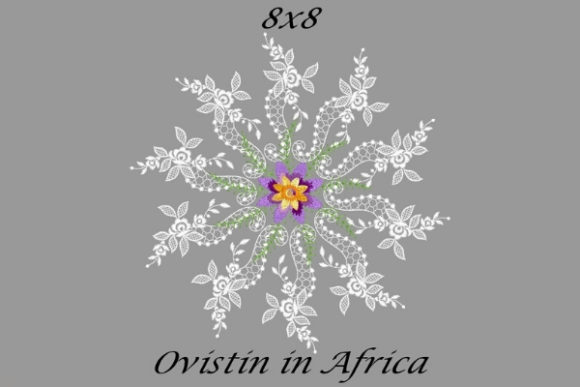
I recently used Pink and White Floral Quilt Block alongside coordinating blocks (as hinted in the product description) to create a limited-run set of embroidered kitchen towels for a local café. The consistency across designs—same stitch weight, same spacing logic, same softness of line—gave the collection cohesion without monotony. That’s the real power here: it doesn’t just sit on fabric; it invites expansion. For creative entrepreneurs building signature collections, this is a reliable anchor motif—not flashy, but deeply functional. It supports brand consistency across tote bags, aprons, and holiday gifts without needing redesigns or tone adjustments.
Final Thought: Choose Intention Over Impulse
There are dozens of floral embroidery files online. What sets Pink and White Floral Quilt Block apart isn’t complexity—it’s clarity of intent. It was made for real use: for the Etsy seller packing her 10th custom pillow order, the craft fair vendor stitching on-site, the small business owner refreshing seasonal merchandise. It respects the maker’s time, the customer’s eye, and the fabric’s behavior. If your goal is a handmade product that feels both personal and professional—this isn’t just another embroidery file. It’s a thoughtful tool.