African Map Embroidery Design Review
First Impression: Bold, Vibrant, and Culturally Grounded
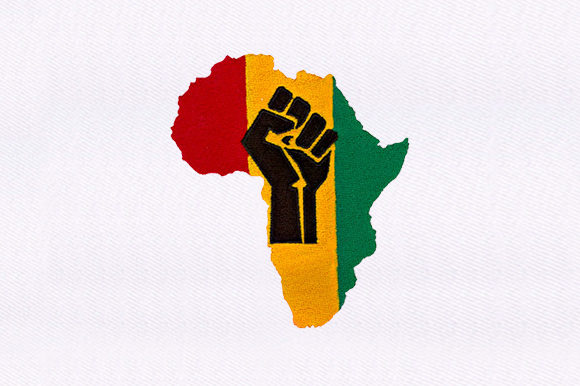
Opening the African Map embroidery file on my design software, I immediately noticed its confident visual personality—detailed coastlines, clearly defined borders, and thoughtful regional shading. This isn’t a minimalist outline or stylized silhouette; it’s a rich, colorful machine embroidery design that balances geographic accuracy with decorative strength. The stitching mood feels bold yet respectful—neither overly playful nor stiffly academic. It reads as premium and intentional, ideal for a boutique brand that values authenticity and craftsmanship. For apparel decorators, that balance is rare: it’s distinctive enough to stand out on a shelf or feed, but refined enough to avoid looking like a clipart transfer.
Sweatshirt & Hoodie Performance: Chest Placement That Commands Attention
I tested African Map on a mid-weight charcoal hoodie first—chest placement, centered just below the collarbone. At 3.5" wide, it filled the space without overwhelming. The stitch density held beautifully on fleece-backed fabric, especially with medium-weight cutaway stabilizer. On neutral sweatshirts (heather grey, oatmeal, soft black), the color contrast in the thread palette made the continents pop without needing metallics or neon accents. For pastel hoodies—think blush pink or sage green—I recommend adjusting thread colors slightly to preserve depth; the original palette leans warm, so swapping one or two tones keeps the design grounded, not washed out.
Versatility Across Apparel Types
- T-shirts: Works best on structured cotton blends—not ultra-thin jersey. Use tear-away stabilizer and reduce top tension slightly to prevent puckering around curved coastlines.
- Denim jackets: A standout back design at 5–6" wide. The detail holds up against denim’s texture, especially when paired with matte cotton threads.
- Oversized garments: Scales well—just confirm hoop size before resizing. Larger versions read cleanly on relaxed-fit sweatshirts, reinforcing a laid-back but globally conscious aesthetic.
- Tote bags & seasonal layers: Looks especially strong on canvas totes and cozy knit cardigans. The shape anchors lifestyle product photos naturally—no extra props needed.
Where to Place It—and Where to Pause
African Map shines in chest, back, and sleeve-crease placements—but avoid tight curves like elbow bends or ribbed cuffs unless you reduce size significantly. Dense stitch areas (like the Horn of Africa or West Coast contours) require extra stabilizer on stretchy fabric. On dark garments, test thread contrast thoroughly: some lighter tones in the original palette may fade visually without a white underlay. Also, skip tiny lettering additions directly over the map—it’s already information-rich. Let it breathe.
Impact on Brand Identity & Customer Trust
For Etsy sellers and small shop owners, African Map does more than decorate—it communicates intention. When used consistently across a collection (e.g., matching sweatshirts, tote bags, and enamel pins), it builds visual consistency and reinforces a boutique brand’s point of view: thoughtful, culturally aware, and design-forward. Buyers notice that cohesion. It elevates handmade product perception—this isn’t a generic logo drop; it’s a considered Creative Fabrica embroidery choice that signals care in curation. That translates directly to higher perceived value and stronger customer engagement, especially among socially conscious shoppers.
Practical Designer Notes Before You Stitch
- Always test on scrap fabric that matches your final garment—especially for fleece, ribbed knits, or textured weaves.
- Confirm stabilizer choice: Cutaway for stretchy or unstable fabrics; tear-away for stable cottons and canvas.
- Review thread color contrast on your actual garment—not just screen preview. Lighting changes everything.
- Check hoop size before resizing. Some versions of African Map may require larger hoops; verify compatibility with your machine.
- Inspect stitch density in software—look for long satin runs or dense fill areas that might need re-digitizing for delicate fabrics.
- Test on similar garment fabric before batching. A 10-minute test saves hours of rework.
- Compare placement options using printable mockups—especially for social media graphics and Etsy listings.
- Review Creative Fabrica product details carefully—confirm licensing terms before selling finished apparel commercially.
Final Thoughts for Creative Entrepreneurs
If you’re building a custom apparel line rooted in storytelling—whether for travel lovers, diaspora communities, educators, or global lifestyle brands—African Map is more than a machine embroidery design. It’s a quiet statement piece. It doesn’t shout; it resonates. Used thoughtfully, it adds depth to a t-shirt, warmth to a hoodie, and distinction to a tote bag. For embroidery shops and digital sellers, it’s a reliable, versatile asset—scalable across products, adaptable across seasons, and meaningful without being prescriptive. Just remember: great embroidery starts before the needle moves. Take time with stabilizer, thread, and placement—and let African Map do what it does best: anchor your collection in clarity, color, and craft.