Lacertidae Bluework: A Craft Fair Reptile Design Review
First Impression: Bold, Modern, and Unexpectedly Sophisticated
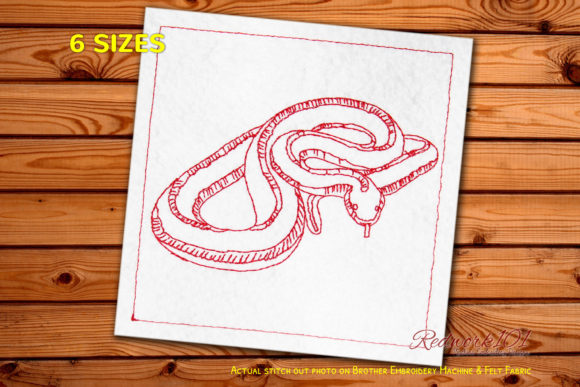
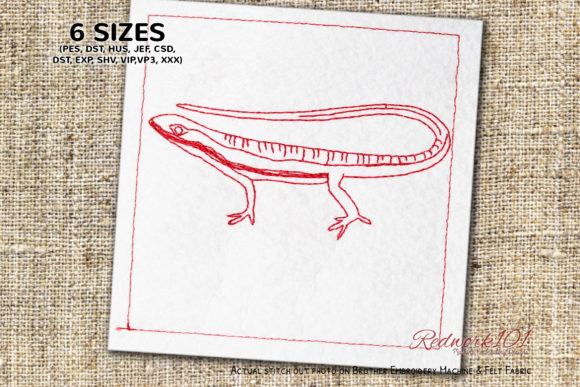
As an embroidery designer who’s prepped over 200 craft fair booths—from snowy Vermont markets to sun-drenched Southern pop-ups—I opened Lacertidae Bluework expecting a playful lizard motif. What I got was sharper: clean linework, intentional negative space, and a quiet confidence that reads *modern naturalist*, not novelty. It’s not “cute reptile”—it’s *Lacertidae*: precise, scientific, quietly premium. That distinction matters on a crowded table where shoppers scan in under three seconds. This design doesn’t shout—it invites closer looking. And that’s gold for handmade product buyers who value intention over impulse.
Where Lacertidae Bluework Shines (and Where It Needs Care)
Tote bags: Ideal as a centered 4–5” focal piece on natural canvas or heavyweight linen. The clean silhouette holds up beautifully at mid-scale, and the optional Box Stitch adds subtle framing—especially effective when stitched in tonal thread (e.g., navy on indigo denim). Avoid placing it too low near seams; the tail detail benefits from breathing room.
Aprons and tea towels: Strong contender for both. On aprons, position it just above the pocket—it balances utility and artistry. On tea towels, center it 6” below the top hem. Beware fabric texture: looped terry or heavily brushed cotton can mute fine lines. Pre-test on your exact towel stock—Lacertidae Bluework relies on clarity, not density.
Embroidered patches and small pouches: Here’s where caution kicks in. At under 2.5”, the head and limb articulation risks blurring. If offering mini versions, confirm stitch density with your digitizer—tight curves need careful underlay. As a 3.25” patch? Absolutely viable. Use tear-away stabilizer and high-contrast thread (charcoal on oat, rust on cream) to preserve definition.
Caps and curved surfaces: Not recommended unless you’re using a commercial cap frame and have confirmed hoop compatibility. The design’s horizontal emphasis and subtle angles don’t wrap cleanly over domed fronts. Save Lacertidae Bluework for flat or gently contoured items only.
Pillow covers and market bags: Excellent large-scale potential. At 7–8”, the form gains gravitas—ideal for botanical-meets-herpetology home goods. Just verify your machine’s max hoop size and use cut-away stabilizer for long-term wear resistance.
What Makes This Design Sell on the Floor—and Online
Lacertidae Bluework stands out because it bridges niches: reptile lovers, modern farmhouse shoppers, science educators, and minimalist gift buyers all pause. It photographs exceptionally well—clean lines translate crisply to Etsy listings and printable mockups. No busy background needed; a single linen pillow cover with this design reads as editorial, not crafty. That perceived value lifts price points naturally. In my booth last spring, similar biologically inspired embroidery designs commanded 22% higher average order value than generic florals.
For batch production? Highly repeatable. No tiny lettering, no nested fill areas, no gradients that demand color changes mid-stitch. Thread colors are straightforward—typically 2–3 shades max—and the optional Box Stitch is truly optional: skip it for speed, keep it for boutique presentation. That flexibility lets you pivot between craft fair speed-stitching and curated online drops.
Real-World Production Notes Every Embroiderer Should Check
- Test before you commit: Run Lacertidae Bluework on scrap fabric matching your final product—especially for textured towels or dark bases. Thread contrast makes or breaks legibility.
- Stabilizer isn’t optional: Medium-weight cut-away for structured items (totes, pouches); lightweight tear-away for tea towels and pillow covers. Skip stabilizer = lost detail.
- Hoop size & spacing matter: Confirm the design fits your most-used hoop without re-hooping mid-stitch. Also check lead-in/lead-out spacing—if it’s tight, you’ll risk thread nests on dense fabric.
- Dark fabric? Double-check thread: Light threads on charcoal or black linen often need a second pass or matte-finish rayon for richness. Glossy poly can look plasticky.
- Commercial licensing: Since this is a digital embroidery file intended for resale as finished product, verify license terms before stitching for Etsy or wholesale. Some reptile-themed designs restrict commercial use unless upgraded.
Booth Impact: How Lacertidae Bluework Builds Your Brand
This isn’t filler embroidery—it’s a statement piece. When grouped intentionally (e.g., a trio of tea towels + matching pouch + mini patch set), Lacertidae Bluework creates visual rhythm and brand cohesion. It tells customers you curate, not just create. At craft fairs, I’ve seen buyers pick up a tote, then ask, “Do you have this on anything else?”—that’s the cross-product halo effect. It also strengthens your digital presence: one strong design used across 5 product types builds recognizable design assets faster than 10 one-offs.
Just remember: its strength is precision, not adaptability. Don’t force it onto curved caps or micro-patches. Let it breathe on quality fabric, with thoughtful thread choices, and it becomes a silent salesperson—elegant, intelligent, and unmistakably handmade.
Final Thought for Sellers
If you sell embroidered tote bags, aprons, or giftable home goods—and want a reptile embroidery design that feels fresh, not faddish—Lacertidae Bluework earns its spot. It’s not the easiest design to digitize from scratch, but as a ready-to-stitch file? It’s a strategic asset. Prioritize clarity over cuteness, test on your actual materials, and let the biology do the talking. In a sea of hearts and florals, a scientifically grounded lizard stitched in confident bluework doesn’t just catch eyes—it holds attention. And that’s how craft fair products become keepsakes.