Pride Heart: A Craft Fair Designer’s Honest Review
First Impression: Bold, Warm, and Instantly Recognizable
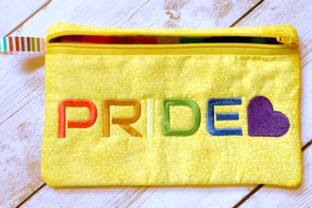
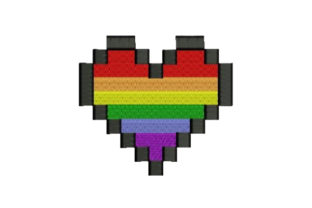
As someone who’s stitched hundreds of designs for craft fairs and handmade markets, my gut reaction to Pride Heart is immediate: it’s bold without being loud, warm without being cutesy, and deeply resonant without needing explanation. The title alone—Pride Heart—tells me this isn’t just decorative; it’s intentional. It lands somewhere between modern and heartfelt, with strong Awareness category energy and clean Embroidery execution. No clutter, no irony—just sincerity stitched into shape. That matters on a crowded booth table.
Where Pride Heart Shines on Real Craft Fair Products
This design doesn’t need context to connect—it works because it *feels* human at first glance. Here’s how it performs across key handmade product categories:
- Tote bag design: Perfect as a centered chest-level motif—large enough to read from three feet away, small enough not to overwhelm canvas or cotton duck. Adds instant personality to an otherwise utilitarian item.
- Apron embroidery: Ideal above the pocket or centered on the bib. The heart shape mirrors apron curves naturally, and the “true colors” message aligns beautifully with kitchen creativity and self-expression.
- Tea towel embroidery: Works best on the lower corner or folded edge—not too high, not too small. Avoid dense stitch areas near hems where fabric texture can distort fine lines.
- Embroidered patch: A standout option. Pride Heart translates cleanly into a sew-on or iron-on format, giving customers flexibility—and you, a low-risk, high-margin small shop product.
- Caps and pouches: Use with caution. On curved cap surfaces, test hoop placement and stabilizer support. For small fabric pouches, scale down only if stitch density allows clarity—tiny details may blur.
- Pillow covers and market bags: Strong focal point when centered or subtly offset. Gives handmade gifts emotional weight and visual cohesion in a boutique setting.
What Makes Pride Heart Sell—And What Makes It Stumble
Pride Heart succeeds because it’s instantly legible. At a craft fair, attention spans are short and booth traffic is fast—this design communicates its message in under two seconds. That’s rare. It also scales well: as a 3-inch motif on a tea towel, it reads clearly; as a 5-inch statement on a tote, it feels confident, not aggressive.
But here’s where real-world production kicks in: stitch density matters. If the file includes tight fills or overlapping color stops, test it on scrap fabric first—especially with textured towels or thick denim. Dark fabric? Confirm thread colors offer enough contrast. Light thread on black fabric can vanish under fair lighting unless you’ve tested it in person.
Also note: while “any piece of fabric or clothes” sounds flexible, Pride Heart will lose impact on heavily napped or loosely woven fabrics. Stick to medium-weight cotton, linen blends, and stable knits for consistent results.
Booth Impact, Brand Consistency, and Buyer Engagement
This isn’t just another machine embroidery design—it’s a conversation starter. At my last fair, a simple embroidered tote with Pride Heart drew more questions, smiles, and photo requests than any floral or quote-based piece I carried. Why? Because it signals alignment—not just aesthetics. Customers see authenticity, intention, and care. That builds trust faster than any tagline.
For Etsy sellers and digital embroidery file shops, Pride Heart strengthens brand consistency when paired with complementary Awareness-themed designs. It also photographs exceptionally well—clean lines, balanced negative space, and natural color flow make it ideal for printable mockups and social media thumbnails.
In your booth display, use Pride Heart across at least three product types (e.g., a tote, a patch set, and a tea towel) to show versatility. Group them intentionally—not scattered—to reinforce that this is a considered collection, not random inventory.
Practical Embroidery Designer Notes Before You Stitch
Before turning Pride Heart into finished product—or listing it as a digital embroidery file—do these six things:
- Test on scrap fabric matching your target product (e.g., terry cloth for towels, twill for caps).
- Check thread contrast under both daylight and indoor fair lighting—what looks vibrant on screen may mute in person.
- Review spacing and stitch density: look for tiny lettering or fine interior lines that could vanish at smaller sizes.
- Confirm hoop size compatibility with your primary machines—and whether multiple hoop changes are needed per design.
- Use the right stabilizer: cutaway for knits, tear-away for stable wovens, and heavy-duty for textured towels.
- Create at least one real mockup—not just a digital preview. Hold it in your hand. Drape it. See how light hits the stitches.
And critically: confirm commercial licensing before selling finished products. Since this is marketed as a machine embroidery design for craft fair and handmade market use, verify whether resale rights are included—or if you’ll need a separate license for physical goods.
Final Thought: Pride Heart Is More Than a Design—It’s a Signal
In a sea of generic florals and trendy fonts, Pride Heart stands out by offering meaning without murkiness. It’s not trying to be everything—it’s confidently, quietly itself. That’s what buyers remember. That’s what they photograph. That’s what sells on Saturday afternoon, when hands are full and hearts are open.
Just remember: every stitch tells a story. Make sure Pride Heart tells yours—clearly, kindly, and with pride.